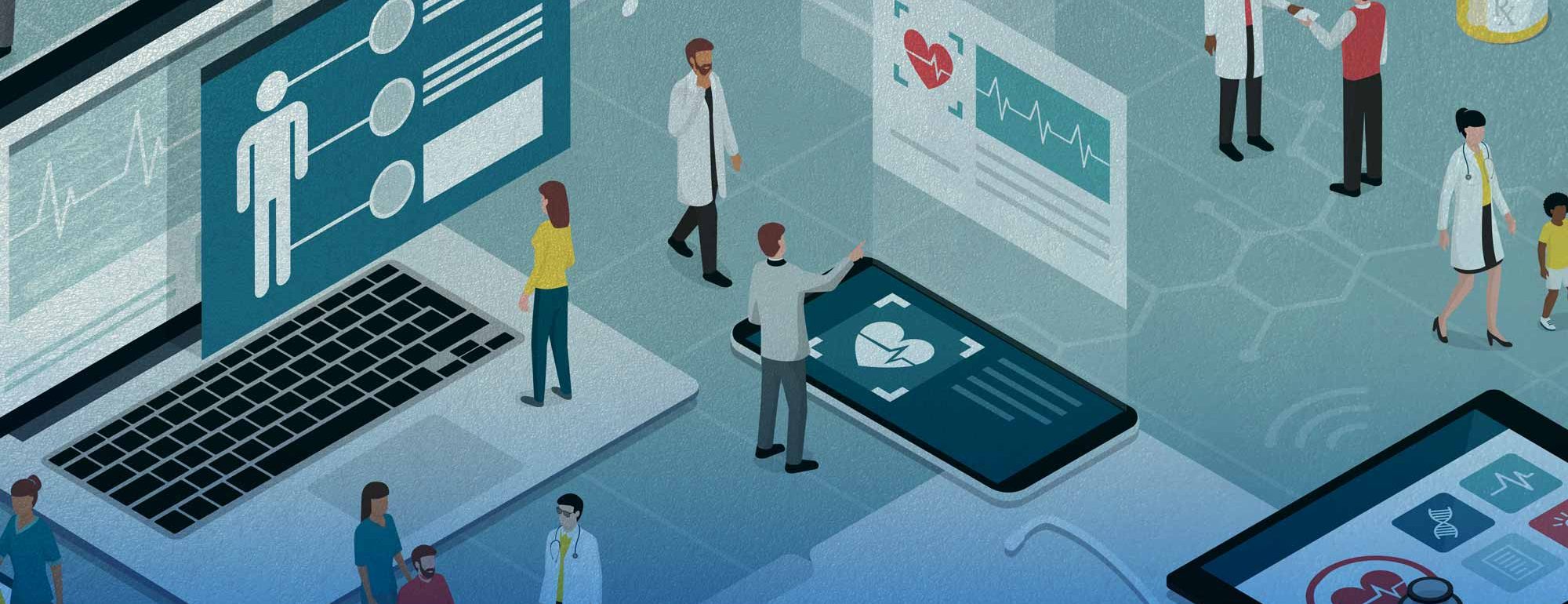
For most of healthcare’s history, care has been organised around place. Patients visited a GP, attended a clinic or travelled to a hospital because that was where care happened. Healthcare services, operating models and patient journeys were largely designed around these physical environments.
Today, that model is evolving. Virtual consultations, remote patient monitoring and connected care pathways are becoming increasingly common across Australian healthcare. Patients can now access services, information and support through a combination of physical and digital interactions that would have been difficult to imagine only a few years ago. NSW Health’s Virtual Care Strategy 2021 – 2026 reflects a broader shift towards more connected and flexible models of healthcare delivery. In Victoria, the Virtual Emergency Department has demonstrated how rapidly these models are being adopted, supporting more than half a million consultations while helping many patients receive timely care without needing to attend hospital.
While much attention has focused on the technology enabling this change, the more interesting story is what these new models make possible. The conversation is no longer about whether virtual care or connected care should exist.
Increasingly, healthcare organisations are exploring how these capabilities can be embedded into everyday service delivery to improve access, strengthen continuity of care and create a more seamless experience for patients.
Rethinking the patient journey
As healthcare becomes more distributed, patient journeys are becoming less defined by organisational boundaries. A single episode of care may involve a GP, specialist, hospital, community provider and virtual consultation, all contributing to the same outcome.
For healthcare providers, this creates an opportunity to think differently about how services are connected. Rather than focusing on individual interactions, organisations can increasingly view care through the lens of the entire patient journey. The goal is not simply to provide more channels for care, but to create a more coordinated experience that is easier for patients to navigate and easier for clinicians to support.
This is particularly important as patient expectations continue to evolve. People increasingly expect healthcare experiences to be as accessible, responsive and connected as the services they interact with in other areas of their lives.
Moving from digital initiatives to healthcare outcomes
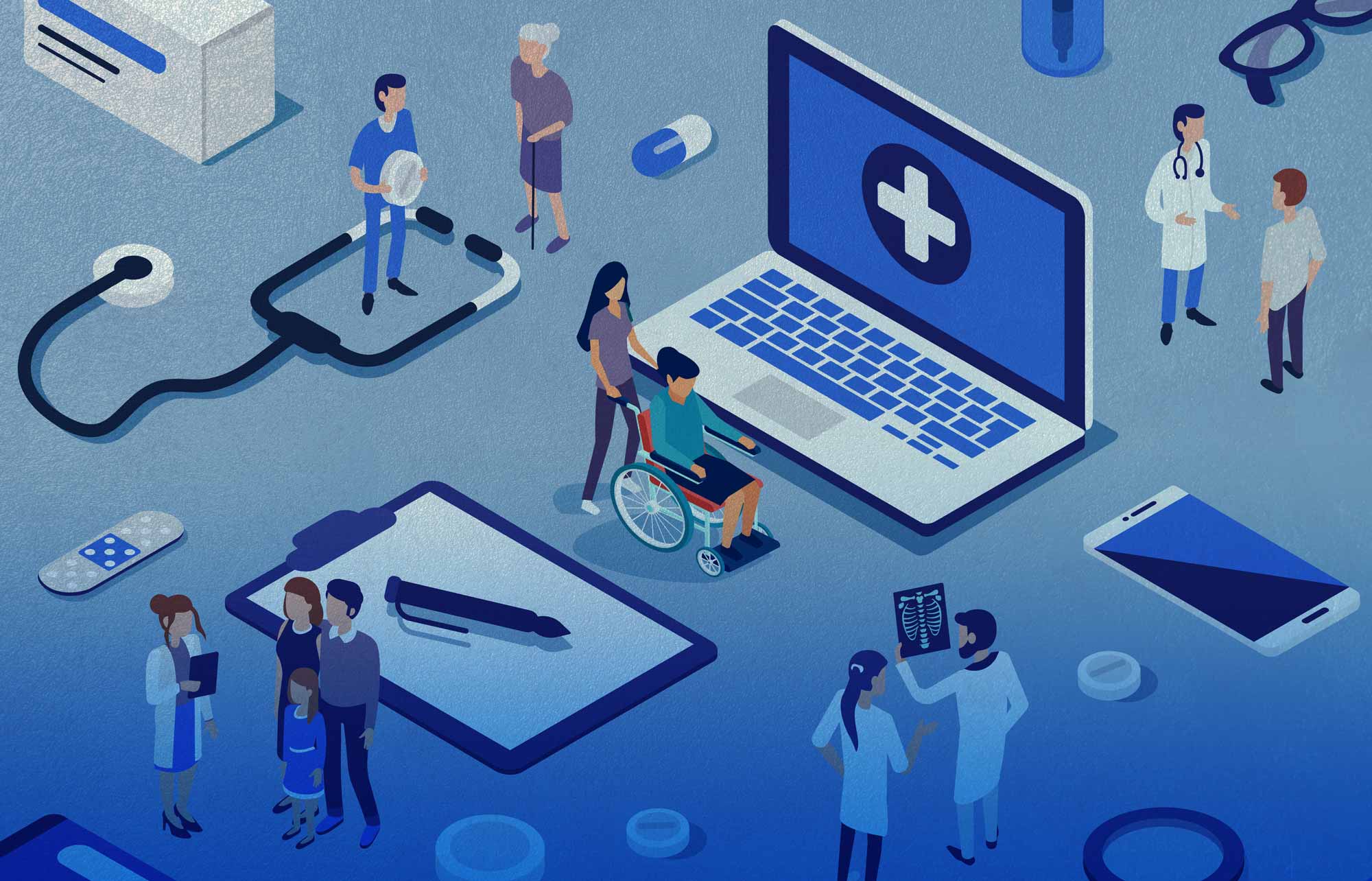
Across the sector, significant progress has been made in digital health. The next phase may be less about introducing new technologies and more about maximising the value of existing investments.
The organisations seeing the greatest benefit from digital transformation are often those that focus on the outcomes they are trying to achieve. Better access to care. Improved coordination between teams. Greater flexibility in service delivery. Stronger patient and clinician experiences.
Technology plays an important role in enabling these outcomes, but it is ultimately the experience of care that matters most. A virtual consultation is valuable because it improves access. Connected information is valuable because it helps support continuity of care. The technology is important, but the impact on healthcare delivery is what creates lasting value.
Bringing care together
Healthcare is entering a period where digital and physical models of care will increasingly work together. The opportunity for healthcare leaders is not simply to adopt new technologies, but to redesign services around the needs of patients, clinicians and communities.
The organisations that will be most successful are likely to be those that embrace this shift holistically, creating care experiences that feel connected, accessible and intuitive regardless of where care is delivered.
The future of healthcare may not be defined by hospitals, clinics or virtual platforms alone. It will be shaped by how effectively healthcare organisations bring these environments together to support the people they serve.
Because ultimately, patients do not think in terms of channels, systems or programs. They simply expect healthcare to work.
And that may be one of the most important opportunities facing the sector today.
Contact our team to discuss what’s next for your healthcare organisation.

Andrew Hajittofi is Industry Specialist, NSW Health and Emergency Services